
Apps
Ads
Reconnecting With Your Adolescent Love Through a Letter
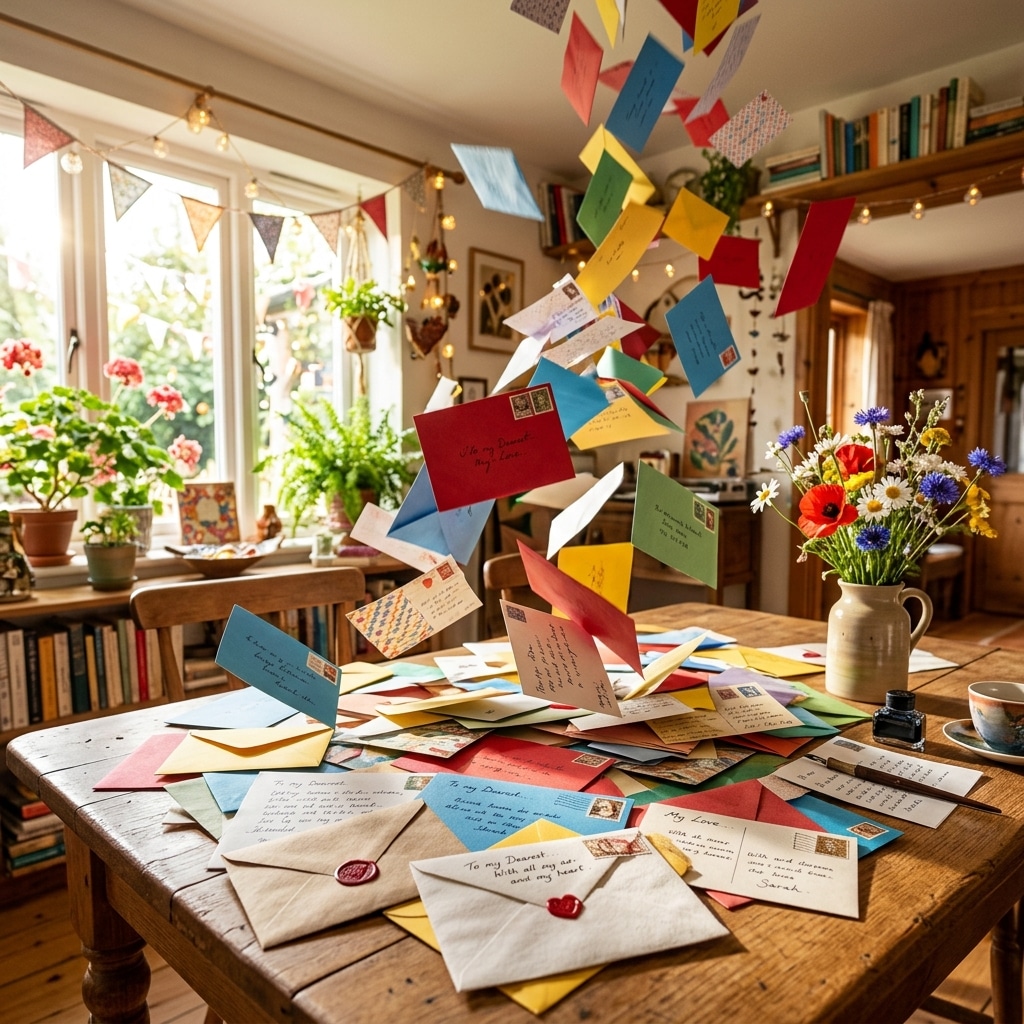
Forgotten Love Letters
Express Your Feelings#
Romantic
Heartfelt
Nostalgic
Timeless
Rediscover the magic of heartfelt romantic letters
Explore Love Letters
You will be redirected to another site.
Express Your Feelings
Explore Love Letters
There’s something profoundly moving about receiving a letter from someone who once held a special place in your heart during those formative years of adolescence. The moment your fingers touch the envelope, a flood of memories rushes back—first dances, stolen glances in the hallway, whispered secrets under the stars, and the bittersweet ache of young love. In our digital age where communication happens in seconds, a handwritten letter carries an almost magical quality, especially when it comes from someone you thought had vanished into the mists of time.
This unexpected reconnection can stir emotions you didn’t even realize were still there, dormant beneath years of adult responsibilities and new relationships. Whether the letter arrives out of the blue or after decades of silence, it has the power to transport you back to a simpler time when feelings were raw, unfiltered, and beautifully intense. 💌
Ads
The Emotional Impact of Unexpected Correspondence#
When you open your mailbox and see an unfamiliar handwriting that somehow feels hauntingly familiar, your heart skips a beat. The return address might be from a city you’ve never visited, or perhaps it bears no return address at all—just your name written in a script that awakens something deep within your memory.
The emotional journey begins before you even open the envelope. Your mind races through possibilities: Why now? What could they possibly want to say after all these years? Have they been thinking about me all this time? The anticipation builds as you carefully tear open the seal, revealing pages that hold years of unspoken words, explanations, or perhaps simply a desire to reconnect.
Ads
Research in psychology shows that adolescent relationships leave lasting imprints on our emotional development. These early romantic experiences shape how we view love, attachment, and vulnerability throughout our lives. When someone from that period reaches out, they’re not just contacting the person you are today—they’re reaching across time to touch the version of you that once existed in their world.
Why People Reach Out to Former Loves#
The motivations behind sending a letter to a forgotten love are as varied as the relationships themselves. Some people reach out seeking closure for a relationship that ended abruptly or without proper resolution. Others write because they’ve been carrying regret about how things ended, words left unsaid, or apologies never offered.
Sometimes the letter comes during significant life transitions—a divorce, the loss of a parent, a milestone birthday, or a near-death experience. These moments often prompt deep reflection about the paths we’ve taken and the people who shaped us along the way. Your adolescent love might have been going through old boxes and found photographs, mixtapes, or notes that reignited memories they thought were buried forever.
Then there are those who write simply because they’ve never stopped wondering “what if?” They carry a curiosity about the person you became, whether the qualities they admired in you as teenagers blossomed into the adult you are today, and whether any spark of that old connection might still exist.
Decoding the Contents of the Letter ✉️#
The actual words contained in the letter can range from nostalgic reminiscing to heartfelt confessions. Some letters are cautious, testing the waters with general updates about life and gentle references to shared memories. Others are bold and direct, expressing feelings that have been held back for years or even decades.
You might read about their life journey—where they went to college, career paths they followed, relationships they’ve had, children they’ve raised. These details paint a picture of a parallel life that unfolded while you were living yours, two timelines that once intersected and are now reaching toward each other again.
Common Themes in Reconnection Letters#
- Nostalgia and gratitude: Thanking you for the memories, acknowledging how that relationship helped shape who they became
- Apologies and regrets: Expressing remorse for how things ended, immature behavior, or missed opportunities
- Curiosity about your life: Asking what you’ve been doing, where life has taken you, and who you’ve become
- Confession of lingering feelings: Admitting they never fully got over you or that you’ve remained in their thoughts
- Desire for closure: Seeking to understand what happened, why things ended, or to finally say goodbye properly
- Hope for reconnection: Suggesting meeting for coffee, exchanging numbers, or simply continuing correspondence
The tone of the letter tells you much about their intentions. A warm, friendly letter that respects boundaries suggests someone genuinely interested in reconnecting as friends or simply tying up emotional loose ends. A letter heavy with romantic language or declarations might indicate they’re seeking to rekindle something, which requires careful consideration of your current circumstances and feelings.
Navigating Your Own Emotional Response#
Reading the letter likely triggers a complex cocktail of emotions. Joy, confusion, excitement, anxiety, curiosity, and perhaps even anger or sadness might all surface simultaneously. This emotional complexity is completely normal—you’re processing not just the present communication but also revisiting memories and feelings from years ago.
Give yourself permission to feel whatever comes up without judgment. You might find yourself smiling at inside jokes you’d forgotten, tearing up at their description of how much you meant to them, or feeling frustrated that they’re reaching out now when you’ve moved on with your life.
Questions to Ask Yourself#
Before deciding how to respond, spend some time in honest self-reflection. Consider these important questions:
- What is my gut reaction to receiving this letter—positive, negative, or mixed?
- Am I currently in a place in my life where reconnecting would be healthy and appropriate?
- If I’m in a relationship, how would my partner feel about this correspondence?
- What am I hoping to gain from responding—closure, friendship, information, or something more?
- Are there unresolved feelings I need to process, regardless of whether I respond?
- Is this person seeking something I’m actually able or willing to give?
- What boundaries do I need to establish if I choose to engage?
Sometimes we idealize past relationships, especially those from adolescence when everything felt more intense and dramatic. The letter might awaken fantasies about rekindling romance or recapturing youth, but it’s crucial to ground yourself in reality. You’re both different people now, shaped by years of experiences the other knows nothing about. 🌟
The Power of Adolescent Love Memories#
Adolescent romance occupies a unique space in our emotional landscape. These relationships happen during a period of intense identity formation, when we’re discovering who we are separate from our families and beginning to understand ourselves as romantic beings. The intensity of teenage emotions means these experiences often feel more vivid and significant than many that follow.
Neuroscience research reveals that adolescent brains process rewards and emotions differently than adult brains. The heightened emotional responses mean that positive experiences—like falling in love—feel incredibly intense and create strong neural pathways that persist into adulthood. This explains why memories from adolescent relationships remain so potent decades later.
The Phenomenon of “The One That Got Away”#
Many people carry the concept of “the one that got away”—someone from their past who represents unrealized potential, a path not taken. This person often becomes idealized over time, representing not just who they actually were but also the version of ourselves we were with them and the possibilities that relationship represented.
Receiving a letter from this person can feel like the universe offering a second chance, but it’s important to recognize that what we’re often nostalgic for isn’t necessarily the actual relationship or person, but rather the feelings, the version of ourselves, or the period of life they represent.
Deciding Whether and How to Respond#
You’re under no obligation to respond to the letter, regardless of its contents or the emotions it stirs. Your first responsibility is to yourself and your current life circumstances. That said, if you do choose to respond, approach it thoughtfully rather than reactively.
Take your time crafting a response. Unlike the instant communication of texts or emails, a letter allows for—and even expects—a considered reply. You might write several drafts, exploring different tones and levels of openness before settling on what feels right.
Response Options to Consider#
| Response Type | When Appropriate | Key Considerations |
|---|---|---|
| Warm and Open | You’re genuinely happy to hear from them and interested in reconnecting | Be honest about your current life; set clear boundaries about expectations |
| Friendly but Bounded | You appreciate the letter but want to keep interaction limited | Express gratitude while gently indicating you’ve moved on; keep details general |
| Closure-Focused | You’ve needed to process unresolved feelings or situations | Be honest but kind; focus on healing rather than blame |
| Polite Decline | You don’t want ongoing contact but want to acknowledge their effort | Thank them for writing; clearly but kindly state you prefer not to reconnect |
| No Response | The letter upset you, feels inappropriate, or you simply prefer not to engage | Remember that silence is a valid response; protect your peace |
When Reconnection Leads to Renewed Relationship 💕#
Sometimes receiving a letter from a forgotten love opens a door to renewed connection, whether as friends or something more. If both people are available and genuinely interested in exploring what exists between them now—not just what existed decades ago—this can be a beautiful experience.
However, approach with realistic expectations. You’re essentially getting to know someone new who happens to share history with you. The awkward teenager who wrote you love notes might now be a confident professional, a parent, someone who’s been through divorce, loss, or triumph. They’ve lived an entire life you weren’t part of, and vice versa.
Building a New Connection#
If you decide to pursue reconnection beyond exchanging letters, take it slowly. Modern technology makes it easier than ever to gradually increase contact—moving from letters to emails, then perhaps video calls before meeting in person. This progression allows you both to adjust expectations and determine whether the connection you’re building in the present has substance beyond shared nostalgia.
Be transparent with yourself and them about what you’re seeking. Are you looking for friendship? Exploring romantic possibility? Simply satisfying curiosity? Mismatched expectations can lead to hurt feelings and disappointment, especially when emotions are already complicated by history.
Protecting Your Present While Honoring Your Past#
If you’re currently in a relationship, receiving a letter from a former love requires additional sensitivity and honesty. Your current partner deserves to know about the correspondence, especially if you’re considering responding or if the letter has stirred significant emotions.
Keeping the letter secret, even if you have innocent intentions, can create problems if discovered later. Instead, approach your partner with transparency: “Something unexpected happened that I want to share with you…” This openness demonstrates respect for your current relationship while also processing your feelings about the past.
Your partner might have their own insecurities or concerns about a former love reaching out. Listen to their feelings, reassure them of your commitment, and make decisions together about appropriate boundaries. Some couples might agree that a brief, polite response is fine; others might prefer no response at all.
Recognizing Emotional Infidelity#
Be honest with yourself about whether reconnecting crosses lines in your current relationship. Emotional infidelity begins when you start investing emotional energy, sharing intimate thoughts, or creating a secret connection with someone else. If you find yourself fantasizing about this person, comparing them favorably to your current partner, or hiding the extent of your communication, these are red flags worth examining.
The Therapeutic Value of Unexpected Closure#
Regardless of whether you choose to respond or pursue reconnection, receiving a letter from a forgotten adolescent love can provide unexpected therapeutic value. Unresolved relationships often leave psychological loose ends—unanswered questions, unexpressed feelings, or incomplete narratives about our past.
The letter might provide information you’ve wondered about for years: why they suddenly stopped calling, what happened after they moved away, whether they felt what you felt. This information can help you make sense of experiences that shaped your understanding of relationships and yourself. Even if the answers are painful, clarity often promotes healing.
Sometimes the letter allows you to see your younger self with more compassion. Reading about how you impacted someone else’s life can validate feelings and experiences you might have minimized or forgotten. It reminds you that you mattered, that what you felt was real and mutual, and that those experiences were significant not just to you but to someone else as well. 🌈
Writing Your Own Letter to a Forgotten Love#
Reading this might inspire you to consider whether there’s someone from your own past who deserves a letter. Perhaps there’s someone you’ve thought about over the years, wondering how they are or wishing you could express something you never got the chance to say.
Writing such a letter requires courage and vulnerability. You’re reaching across time and distance, not knowing how it will be received or whether the person will even respond. But if you’re genuinely seeking connection, closure, or simply want to express gratitude for the role they played in your life, the risk might be worth taking.
Guidelines for Writing a Reconnection Letter#
- Start with honesty: Explain simply why you’re writing after all this time
- Acknowledge the passage of time: Recognize that you’re both different people now
- Share selectively: Give enough information to be genuine without overwhelming
- Be clear about intentions: What are you hoping for—response, reconnection, or simply to express yourself?
- Respect boundaries: Acknowledge they may have moved on and might not want to reconnect
- Keep it appropriate: Be mindful of both your relationship status and theirs
- End with openness: Leave space for whatever response (or non-response) comes
Embracing the Journey, Whatever It Brings#
Receiving a letter from your forgotten adolescent love is ultimately an invitation—to remember, to feel, to reflect, and perhaps to reconnect. How you respond to that invitation depends entirely on where you are in your life journey and what feels authentic and healthy for you.
Whether you choose to write back, meet for coffee to catch up, develop a new friendship, or simply read the letter and put it away as a beautiful artifact of your past, honor whatever decision feels right. There’s no single correct response to this situation; there’s only what serves your wellbeing and respects everyone involved.
The experience itself—the flood of memories, the emotional complexity, the reminder of who you once were—has value regardless of what happens next. It’s a reminder that we’re all connected through invisible threads to people and moments from our past, and that sometimes those threads pull us back toward each other in unexpected and meaningful ways.
As you navigate this experience, be gentle with yourself. Allow the feelings to flow without rushing to make sense of them all at once. Whether this letter becomes the start of a new chapter or simply a poignant footnote in your life story, it’s a reminder that we’re all still carrying pieces of the people we once loved and who once loved us. And sometimes, that’s enough. 💌✨
Keep reading
You might also like

Stream Smarter: Safe Movie Marathons
Streaming changed everything. Now we can watch thousands of movies without leaving the couch, and honestly, that's pretty amazing when you think…

Get Your Psychic Letter Now
Have you ever felt the deep longing to connect with someone who has passed? That invisible thread of love that still pulls…