
Apps
Ads
When Love Speaks Through Prison Bars
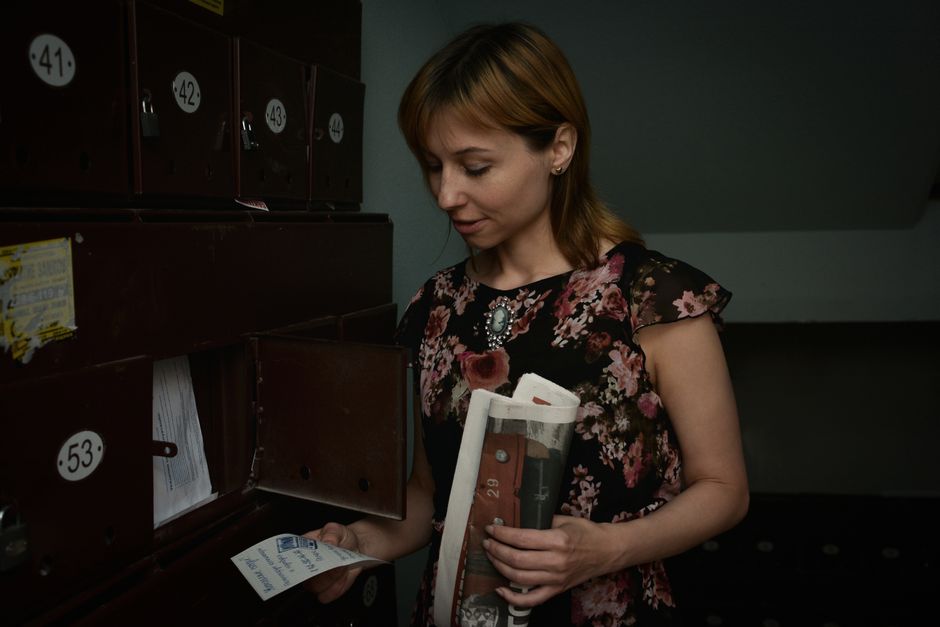
Love Letters Collection
Read Heartfelt Messages#
Romantic
Heartfelt
Timeless
Inspiring
Discover romantic letters that transcend all boundaries
Explore Letters Now
You will be redirected to another site.
Read Heartfelt Messages
Explore Letters Now
There’s something profoundly moving about receiving a letter written between cold iron bars—a message composed in confinement, where every word carries the weight of separation and the desperate hope of connection. When your love sends you such a letter, guardado por tempo demais (kept for far too long), it becomes more than just paper and ink. It transforms into a bridge between two worlds, a testament to resilience, and a reminder that love can survive even the harshest circumstances.
These letters, often crumpled and tear-stained, represent moments frozen in time. They carry conversations that couldn’t happen face-to-face, emotions that couldn’t be expressed through prison phone calls, and promises whispered through concrete walls. Yet when they’ve been stored away for too long, gathering dust in a drawer or hidden beneath other memories, they accumulate a different kind of power—one tinged with regret, contemplation, and the complex emotions that come from revisiting a past that still feels painfully present. 💔
Ads
The Raw Authenticity of Prison Correspondence#
Letters written from behind bars possess a unique quality that sets them apart from any other form of communication. Without the distractions of everyday life, without the ability to hide behind busy schedules or convenient excuses, these messages become stripped down to their essential truth. Your loved one, confined to a cell with nothing but time and thoughts, pours their soul onto the page with an intensity that’s rarely matched in the outside world.
The physical act of writing becomes meditative, almost sacred. Each sentence is carefully considered because paper is precious, time is monitored, and the opportunity to express oneself is limited. There’s no delete button, no backspace—only raw, unfiltered emotion flowing from pen to paper. The handwriting itself tells a story: shaky lines might reveal anxiety, carefully crafted letters might show dedication, and the pressure of the pen might betray the intensity of feeling behind the words.
Ads
What Makes These Letters Different ✍️#
Prison letters carry markers that distinguish them from ordinary correspondence. They often come on specific paper types, may include institutional stamps or markings, and sometimes bear the evidence of being read by corrections officers before reaching you. These physical characteristics serve as constant reminders of the circumstances under which they were written—reminders that can be both heartbreaking and strangely intimate.
The content itself tends to oscillate between hope and despair, between apologies and promises, between reflections on the past and dreams of the future. Your love might write about:
- Daily routines in a place where every day blurs into the next
- Memories of moments you shared together, now taking on mythical proportions
- Plans for what will happen when freedom finally comes
- Philosophical reflections born from forced solitude
- Desperate reassurances of unchanged feelings despite the circumstances
- Questions about your life on the outside—questions tinged with longing and sometimes jealousy
Why Letters Get Kept Too Long Without Being Opened#
The phrase “guardada por tempo demais” (kept for too long) speaks to a complicated emotional reality. Sometimes we receive these letters and cannot immediately face what’s inside them. The envelope sits on our dresser, in our bag, or tucked into a book, waiting for a moment when we feel strong enough to confront the emotions contained within.
This delay isn’t necessarily about not caring—often, it’s quite the opposite. The weight of what these letters represent can be overwhelming. Opening them means confronting the reality of your loved one’s situation, processing your own complex feelings about their incarceration, and deciding how you’ll respond to whatever pleas, confessions, or declarations might be waiting inside.
The Psychology of Delayed Reading 🧠#
There are numerous reasons why someone might keep a prison letter unopened for an extended period:
- Emotional Protection: You might subconsciously know that the letter contains pain you’re not ready to process
- Guilt and Shame: If you’ve been distant or considering ending the relationship, the letter represents an obligation you’re not ready to fulfill
- Anger: When someone’s incarceration has caused significant disruption to your life, their words might feel like an intrusion
- Fear of Manipulation: Prison can change people, and you might worry about being emotionally manipulated
- Simple Overwhelm: Life continues outside those walls, and sometimes you’re just trying to survive your own challenges
Each unopened day adds another layer of meaning to the letter. It becomes not just about what’s written inside, but about your journey in getting to the point where you can finally read it.
The Moment You Finally Open It 💌#
When you finally decide to open that letter—whether it’s been days, weeks, or months—the experience is often more intense than you anticipated. Your hands might shake as you carefully tear the envelope or unfold the paper. The familiar handwriting hits you with a wave of recognition and complex emotion. You might read it straight through in one sitting, or you might have to take breaks, putting it down and coming back to it multiple times.
The first thing you notice is likely the date. How long ago was it written? How much of what they wrote is still relevant? Have circumstances changed since they put pen to paper? This temporal disconnect is one of the strange realities of prison correspondence—letters can take days or weeks to arrive, and your emotional state when receiving it might be completely different from when they wrote it.
Common Themes in Long-Kept Prison Letters#
These letters often share certain recurring elements, regardless of the specific circumstances or the length of the sentence being served:
- Declarations of Unchanged Love: An insistence that despite the bars, the time, and the circumstances, their feelings remain constant
- Apologies: For the situation, for the pain caused, for not being there, for everything and nothing
- Requests for Patience: Asking you to wait, to stay faithful, to remember who they were before
- Vulnerability: Admissions of fear, loneliness, and weakness that they might not express in person or over monitored phone calls
- Future Planning: Detailed visions of life after release, often idealistic and focused on making amends
The Weight of Words Written in Captivity#
There’s a particular gravitas to words written from prison that demands respect, even when the relationship is complicated or troubled. Your loved one wrote this letter in an environment of constant surveillance, limited privacy, and overwhelming restriction. The act of writing becomes an assertion of humanity in a place designed to strip it away.
Consider what it takes to compose such a letter: finding the materials, finding the privacy and mental space to write honestly, navigating the knowledge that the letter might be read by guards, and dealing with the uncertainty of whether it will even reach you or be read if it does. Every sentence represents a small act of courage and hope.
The Language of Longing 📝#
Prison letters often develop their own linguistic patterns. Your love might use specific phrases or codes that have meaning only to the two of you. They might write in ways that try to evade censorship or that aim to comfort you even while they’re the one suffering deprivation. The language can be surprisingly poetic—time and isolation have a way of turning people into writers and philosophers.
You might notice:
- Metaphors about freedom, birds, open spaces, and the sky
- Detailed descriptions of memories, as if trying to keep them alive through vivid recounting
- References to time passing differently, to days blurring together
- Expressions of physical longing that are both tender and heartbreaking
- Spiritual or religious reflections, regardless of prior beliefs
What to Do With a Letter Kept Too Long#
Now that you’ve finally read it—or are contemplating reading it—what comes next? The letter has been kept “por tempo demais,” and this delay has likely created additional complexity. Your loved one may have written follow-up letters, may have wondered why you didn’t respond, or may have interpreted your silence in ways you didn’t intend.
First, give yourself permission to feel whatever you’re feeling. There’s no “right” emotional response to a prison letter from someone you love. You might feel:
- Overwhelming sadness and compassion
- Anger at the situation or at them
- Guilt for having waited so long to read it
- Relief that it wasn’t as difficult to read as you feared
- Confusion about what you want or what you should do
- Renewed love and commitment
- Confirmation that you need to move on
Deciding Whether and How to Respond ✉️#
Not every letter requires a response, but most deserve the consideration of one. Before deciding, ask yourself some honest questions:
- What is my actual relationship with this person now, not what it was or what I wish it could be?
- Am I responding out of genuine care or out of obligation and guilt?
- What would a honest response actually say?
- Am I prepared for the ongoing commitment that responding might create?
- What boundaries do I need to set, both for myself and in any response?
If you decide to respond, consider being honest about the delay. A simple acknowledgment—”I received your letter some time ago, and I needed time to process everything”—can clear the air without requiring extensive explanation. Remember that your feelings and your need for self-protection are valid, even when someone you care about is suffering.
The Broader Picture: Love and Incarceration 💕#
Your situation—receiving a letter from behind bars and keeping it guardada por tempo demais—is part of a larger story affecting millions of people. The impact of incarceration extends far beyond the person serving time, creating what researchers call “secondary prisonization” for loved ones on the outside.
Maintaining a relationship with someone in prison is extraordinarily challenging. You’re essentially navigating two different worlds that operate on completely different rules and rhythms. The person inside is frozen in a controlled environment while you continue to grow, change, and face your own challenges. The letters become one of the few bridges between these worlds, which is why they carry such emotional weight.
The Reality of Prison Relationships#
Statistics and stories from others in similar situations reveal some hard truths:
- Most romantic relationships don’t survive long-term incarceration
- The person who emerges from prison is often significantly different from who went in
- The financial and emotional burden on outside partners is substantial
- Stigma and judgment from others can add additional stress
- Yet many relationships do survive and even strengthen through this trial
Your experience with this letter—the receiving, the keeping, the eventual reading—is valid regardless of what you ultimately decide about the relationship. You’re not obligated to maintain a connection simply because someone is suffering, but you’re also not wrong if you choose to stay and support them through this difficult time.
Preserving or Releasing: What to Do With the Letter Itself#
Beyond the emotional and relational questions, there’s the practical matter of what to do with the physical letter now that you’ve read it. This piece of paper has become a artifact of a specific moment in time—both when it was written and when you finally opened it after keeping it too long.
Some people choose to keep every letter in a box or folder, creating an archive of the incarceration period. Others find it healthier to dispose of them, especially if the relationship is ending or has ended. There’s no wrong choice here, only what serves your emotional wellbeing.
The Power of Physical Letters in a Digital Age 📬#
In an era of instant digital communication, these tangible letters carry additional significance. They can’t be deleted accidentally, can’t be lost to a crashed device, and can’t be altered after sending. The ink on paper represents a permanent record—for better or worse—of a specific emotional moment.
If you decide to keep the letter, consider what you’re really preserving:
- A historical record of a challenging time
- Evidence of love that persisted through hardship
- A reminder of someone’s humanity in an dehumanizing environment
- A piece of your own journey and emotional growth
- Something that might have meaning to others (children, family) in the future
Moving Forward With Clarity and Compassion#
The letter you kept guardada por tempo demais has now been read. Whatever it contained—love, pain, hope, manipulation, truth, desperation, or some combination of all these—you’ve finally faced it. This act of opening and reading, regardless of how long it took, represents a form of courage in itself.
Moving forward means integrating this experience into your larger life story. The letter and what it represents don’t have to define you, but they are part of your journey. Whether you choose to maintain the relationship, set boundaries, or walk away entirely, do so with full awareness of your own needs and limitations.
Remember that compassion can exist alongside boundaries. You can acknowledge someone’s suffering and the authenticity of their feelings while also recognizing that you cannot sacrifice your own wellbeing indefinitely. You can honor what the relationship was or meant without committing to what it might never be able to become.
Questions Only You Can Answer 🤔#
As you process this experience and decide your next steps, sit with these questions:
- What did reading this letter teach me about myself?
- How has the delay in reading it affected its meaning or impact?
- What do I genuinely want, versus what I think I should want?
- What would it look like to honor both my loved one’s humanity and my own needs?
- How do I want to look back on this moment years from now?

The Enduring Power of Love Letters From Darkness#
Your love sent you a letter escrita entre grades—written between bars, in a place where freedom is memory and hope is currency. You kept it guardada por tempo demais, perhaps protecting yourself, perhaps avoiding pain, perhaps simply surviving your own challenges. Now you’ve read it, and those words have entered your consciousness and heart, changing something in ways you might not fully understand yet.
These letters represent one of humanity’s most persistent acts: the attempt to connect across distance, circumstance, and hardship. Whether your relationship with the sender continues, transforms, or ends, the letter itself stands as evidence that love—complicated, imperfect, sometimes painful love—existed and was expressed even in the darkest circumstances. That truth remains, regardless of what happens next. 🌟
Keep reading
You might also like
Receive a Letter from Your Ancestor Right Now
Connecting With Your Roots Through Ancient Wisdom Imagine opening an envelope and finding words written specifically for you by someone who lived…
Receive This Letter From Your Past Self: A Wake-Up Call
Recebendo Mensagens do Seu Eu do Passado Imagine opening your mailbox today and finding a letter addressed to you—but written by yourself,…